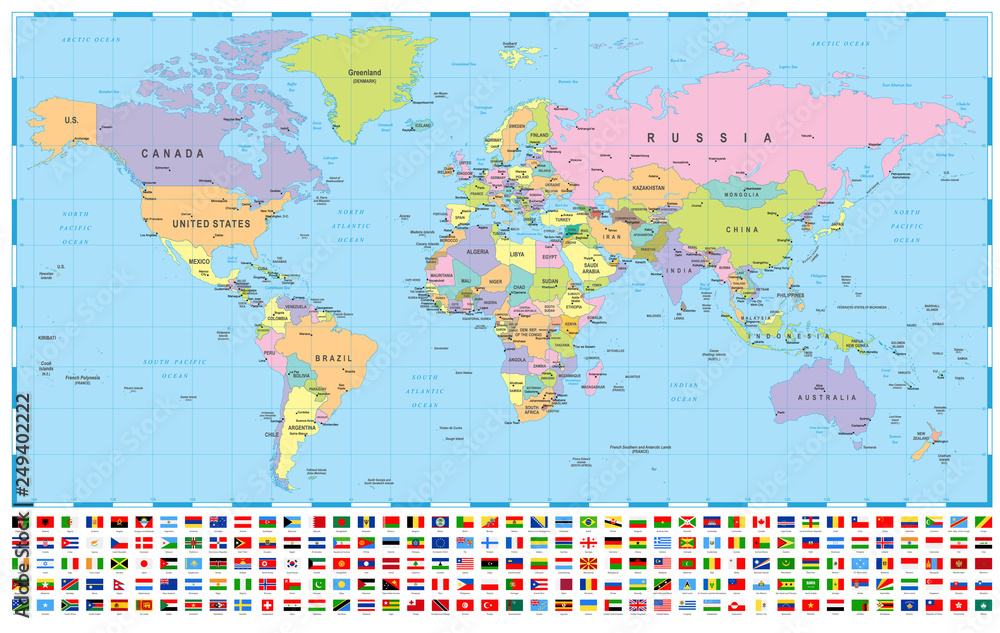
Two alerts in twenty-four hours. That's what Americans in Bahrain and Saudi Arabia woke up to on Wednesday, November 18, 2026.
The U.S. State Department reissued security warnings calling for heightened vigilance across both countries after renewed attacks involving Iran and its allies, including Yemen's Houthis. These updates revive alerts last sent in late October. If you're living, working, or traveling in either kingdom right now, you don't need panic. You do need a clear picture of what actually changed on the ground, where air and road travel stand, and what practical steps matter most.
Short wire summaries like the Gulf News report capture the headline fast, yet they leave out the operational details that actually shape daily decisions in the Gulf. Knowing whether a causeway is open or which airport has limited flights is way more useful than a one-sentence warning.
Why US Security Warnings Returned to Bahrain and Saudi Arabia
These reissued warnings aren't happening in a vacuum. Analysts like Hamidreza Azizi of Crisis Group have pointed out how fragile the broader conflict dynamic remains, even with economic pressure and naval blockades in play.
Over the past week, tensions spiked again after strikes and counter-strikes tied to the Strait of Hormuz and surrounding Gulf corridors. Iran's Islamic Revolutionary Guard Corps claimed a strike on a U.S. early-warning radar system in Bahrain following a U.S. strike on a communications tower in Sirik, while U.S. Central Command denied radar destruction and reported intercepting two drones headed toward Bahrain. By mid-week, Bahrain reported attacks for a second straight day after Tehran said drones were launched at the island kingdom on Tuesday, and attacks were also reported targeting Saudi Arabia.
Earlier in the conflict—which escalated sharply starting in February 2026—official figures showed sustained aerial threats across the region, including Bahrain's Defence Force reporting 188 missiles and 445 drones intercepted by early April. Meanwhile, energy and commercial infrastructure have periodically been affected or targeted, such as an administrative building tied to Saudi Aramco in the Saudi capital damaged in a recent strike and repeated Houthi scrutiny of Saudi Arabia's oil-rich Eastern Province.
Honestly, this is where a lot of travelers misread Gulf security news. A headline about "attacks" or "heightened vigilance" can sound like an immediate total lockdown across every city. In reality, conditions vary sharply by location, air defense activity, and infrastructure status, and diplomatic missions often stay open for routine services even while issuing blunt safety reminders.
What Changed on the Ground in Saudi Arabia and Bahrain
If you're in Saudi Arabia or Bahrain, look past broad regional commentary and check specific transport and embassy advisories.
In Saudi Arabia, the U.S. Mission's security alert guidance highlights shifting aviation logistics. A limited number of flights normally based at Riyadh's King Khalid International Airport (RUH) have been operating out of Qassim's Prince Naif bin Abdulaziz International Airport (ELQ), while King Abdulaziz International Airport in Jeddah (JED) and King Fahd International Airport in Dammam (DMM) have remained operational with some delays and cancellations. Major highways around Riyadh, Jeddah, and Dhahran have remained operational, and land border crossings—including the King Fahd Causeway linking Saudi Arabia and Bahrain—have stayed open. Ground transport options like Saudi Arabia Railways, SAT Transportation, and SAPTCO offer alternatives when air schedules get messy, though travelers still need to confirm live schedules directly with carriers.
In Bahrain, the U.S. Embassy in Manama's November 18 security alert notes that routine American Citizens Services and visa services remain open while urging heightened vigilance against armed attacks by Iranian-supported Houthis and Iranian efforts targeting U.S. government officials and facilities in the region.
Common Mistakes Expats and Travelers Make During Alerts
Having tracked Gulf travel advisories and expat preparedness over time, I see the same mistakes repeat whenever tensions flare.
- Treating old flight plans as guaranteed. During active airspace or drone/missile disruptions, schedules change faster than third-party booking apps update. Checking directly with the airline or looking at ground alternatives early saves hours of stranded time.
- Ignoring indoor positioning during aerial incidents. People rush to windows to film or watch the sky. The U.S. Embassy in Bahrain specifically advises staying away from glass doors, windows, and fallen debris if an aerial attack occurs.
- Assuming embassy closures without checking. A security alert doesn't automatically mean consular counters are shut. Always check the mission's current operational notice before canceling an appointment.
- Letting phones die or skipping local emergency numbers. A dead battery turns a minor delay into a real headache. Pre-program local emergency numbers and consular contacts before you head out.
Smart Steps for US Citizens Right Now
You don't need to overcomplicate your routine, just tighten up the basics.
- Enroll in STEP and verify consular contacts. Register or update your trip in the State Department's Smart Traveler Enrollment Program (STEP) so you receive direct alerts. Save the numbers for the U.S. Embassy & Consulates in Saudi Arabia (such as Riyadh at (966) (11) 835-4000, Jeddah at (966) (12) 220-5000, and Dhahran at (966) (13) 839-5700) or the U.S. Embassy in Manama (+973-1724-2700), plus 24/7 consular support at 202-501-4444 from abroad or 1-888-407-4747 from the U.S. and Canada.
- Keep local emergency numbers handy. In Saudi Arabia, unified emergency is 911 (with police on 999, ambulance on 997, and highway security on 996). Keep your phone charged and carry a portable power bank if you're moving between cities.
- Keep a low profile and avoid flashpoints. Skip demonstrations, large gatherings, and areas with a heavy police presence, and use extra caution around sites publicly tied to the United States.
- Build a flexible transit buffer. If you have a flight through Riyadh, Jeddah, or Dammam—or plan to cross between Saudi Arabia and Bahrain—confirm current conditions with your carrier or ground operator and keep essential documents, medication, and water in a small daypack.
Stay alert to official updates from your embassy and local authorities, keep your plans flexible, and take each day as conditions develop.