You've stood in that room. You know how it goes.
Hundreds of people shoulder-to-shoulder, arms raised high with smartphones, trying to catch a blurry glimpse of a tiny, bulletproof-glass-encased painting. It is chaotic, claustrophobic, and honestly, a terrible way to experience art. For years, museum directors watched the mob scene unfold inside the Salle des États with quiet dread.
Now, change is finally happening. France has greenlit a massive modernization overhaul for the Louvre, backed by a staggering multi-million dollar budget, aimed squarely at fixing the absolute circus surrounding Leonardo da Vinci's most famous masterpiece.
If you've ever swore off visiting Paris because you couldn't stomach the thought of the tourist queues, here is what is actually changing, why it matters, and how it will reshape the world's most visited museum.
The Breaking Point of Mass Tourism
Let's look at the numbers. The Louvre regularly pulls in nearly nine million visitors annually. A staggering majority of those people walk through those historic doors with one primary goal: staring at a portrait measuring just thirty by twenty-one inches.
That creates a massive bottleneck. The current exhibition space was never designed to handle modern tourism volumes. Visitors shuffle in like cattle, spend roughly thirty seconds elbowing for a view, take a quick photo, and get shoved back out by security guards.
It is exhausting. It degrades the artwork, frustrates locals, and turns a profound cultural pilgrimage into an endurance test.
President Emmanuel Macron and museum officials realized that adding a fresh coat of paint wouldn't cut it. They needed a structural revolution.
What the Major Renovation Entails
The upcoming transformation, often dubbed the Louvre New Renaissance project, spans nearly a decade. This isn't just about moving one painting. It is a comprehensive redesign of how people enter, navigate, and experience the entire historic complex.
The plans include:
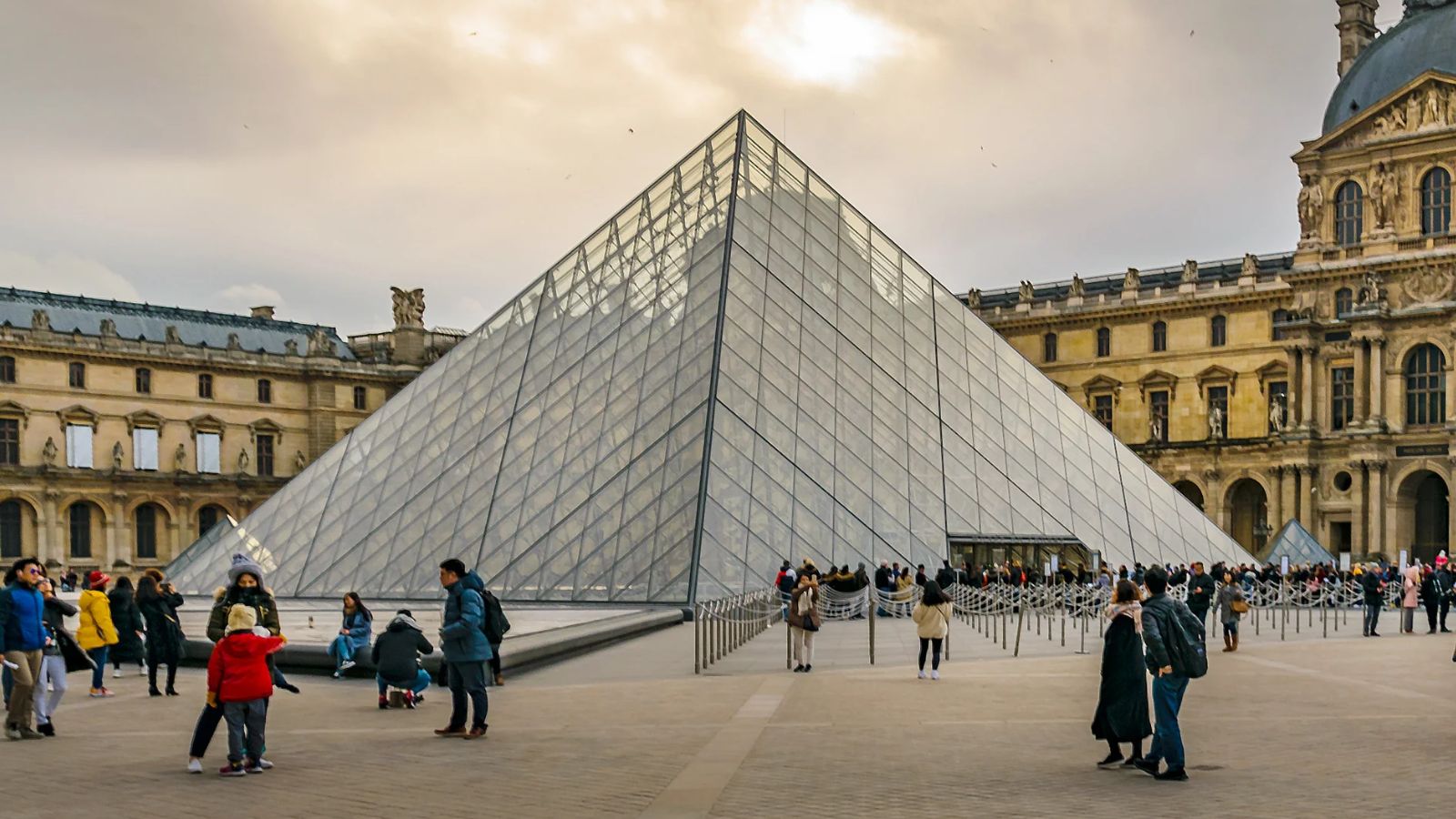
- A brand-new secondary entrance located near the River Seine, designed to take pressure off the iconic glass pyramid that I.M. Pei designed decades ago.
- Expanded underground galleries and subterranean exhibition halls.
- A completely separate, dedicated subterranean room specifically for the Mona Lisa.
That last point is the game-changer. Instead of forcing da Vinci to share wall space with massive sixteenth-century Venetian masterpieces where people ignore everything else, the portrait is getting its own private suite.
A Dedicated Room Changes Everything
Moving the Mona Lisa out of the crowded Salle des États solves a century-old logistical nightmare. Under the proposed layout, visitors will be able to access the portrait via a dedicated entry route, potentially featuring specialized ticketing or queue management systems.
Art critics and museum curators have debated this move for years. Some argued that isolating the portrait would drain visitors from exploring the rest of the vast collections. Others pointed out the obvious reality: when one single attraction draws eighty percent of the room's oxygen, you have to separate it to save the rest of the museum.
By giving the painting its own dedicated space, crowd flow shifts dramatically. Visitors who only care about the smile can get in, see it properly without twenty smartphones blocking their eyes, and exit without grinding the rest of the Italian Renaissance wing to a total standstill. Meanwhile, art lovers who want to explore Eugène Delacroix or ancient Egyptian artifacts can actually breathe.
Funding and Friction
A project of this scale doesn't come cheap. Estimates place the total price tag near a billion dollars, drawing from state funds, private partnerships, and international support.
Naturally, this sparked plenty of local debate. Critics wonder if spending massive sums on a single painting's infrastructure makes sense when public infrastructure across Paris faces tighter budgets. Yet, museum advocates argue that the Louvre is a massive economic engine for French tourism. Keeping it functional, safe, and modern pays for itself over time.
Construction timelines stretch out toward 2031, meaning you'll see scaffolding and phased closures if you visit Paris anytime soon.
Planning Your Next Visit
If you are heading to Paris before the renovations wrap up, expect disruptions. Galleries shift locations periodically, and temporary walls block common walkways.
Book your time slots months in advance. Arrive during the evening openings when tour groups thin out. Keep your expectations grounded, and remember that the museum holds hundreds of thousands of other works that deserve your attention just as much.
The chaos of the old Louvre era is finally coming to an end. A better, smarter museum experience is on the way.